J · 2026 · 004
Museums & exhibitions 3 min read
Published Updated
Why exhibition projects need technical fabrication, not just furniture
The difference between a furniture atelier and a technical fabrication shop shows up at the third display case raised with objects inside. Here's what we do differently.
- technical fabrication
- custom furniture
- vitrines
- workshop
- exhibitions
Furniture vs technical fabrication: 5 practical differences
A furniture shop and a technical fabrication shop look the same until the first object with real requirements. The five practical differences: tolerances (millimetres vs fractions of a millimetre), integration (separate parts vs metal-glass-light in the same object), documentation (a sketch vs shop drawings), calibration (on site vs in the atelier) and behaviour over time (looks good at delivery vs holds up at 12 months).
The price difference between the two isn't large. The difference in result, on an object that holds a valuable object, is enormous.
Tolerances: what „almost right” means on a display case
Standard furniture tolerates 2-3 mm of visual deviation — no one notices. On an exhibition or museum case, 1 mm at level one reads amplified at level three, and an imperfect joint breaks the seal the microclimate depends on.
Technical fabrication works with control measurements and verification, not „by eye”. „Almost right” on a case means wrong.
Integration: when lighting lives inside the frame, not above it
In furniture, light is added at the end, from above. In technical fabrication, lighting lives inside the object's frame — cabled into the structure, calibrated on the object, controlled independently. Metal, glass and mounting systems are designed together, not assembled from separately bought parts.
Integration is what separates a case that looks clean from one that actually works as a sealed, controlled system.
Atelier assembly vs on-site adjustment
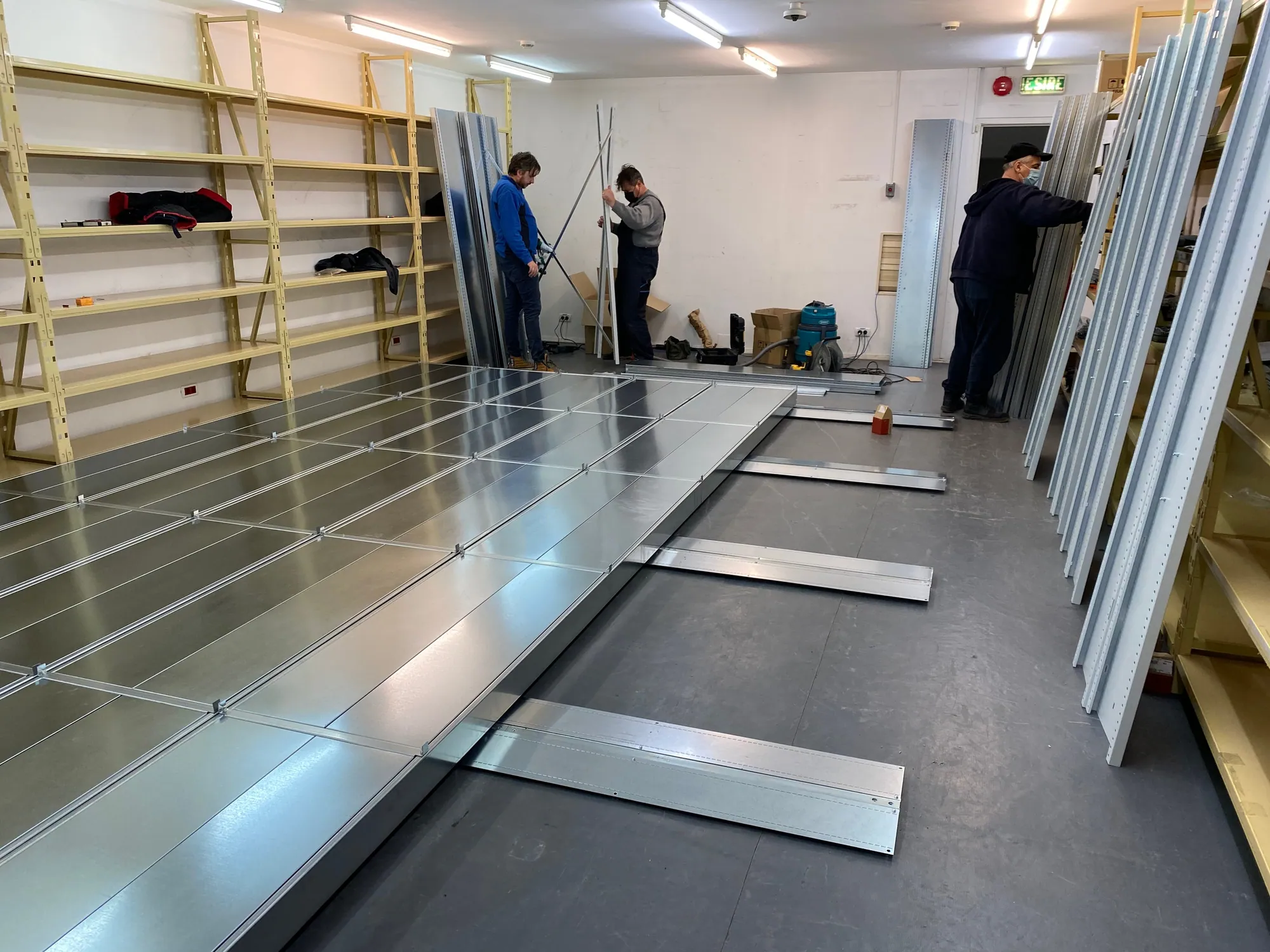
A technically fabricated object is fully assembled in the atelier, checked, calibrated, then dismantled in a controlled way for transport and reassembled on site to protocol. A furniture shop adjusts on the spot, in the client's space, with whatever comes out.
The difference matters most for night installation in a space that stays open: without assembly proven in the atelier, on-site installation becomes improvisation under time pressure.
The documentation that makes installation work
Technical fabrication delivers documentation: shop drawings, a bill of materials (BOM), an installation protocol. Without them, installation in an institutional space — especially at night, with fixed time windows — can't be coordinated.
Documentation isn't bureaucracy, it's what makes installation repeatable and predictable. A shop that doesn't produce it leaves you to discover the problems on site.
How to recognise a project that needs technical fabrication
A project needs technical fabrication, not furniture, when at least one sign appears: valuable or heritage objects, conservation requirements (microclimate, controlled light), metal-glass-lighting integration, tight tolerances, or installation in a public space with time constraints.
If the object just needs to „look good”, a furniture shop is enough. If the object has to protect, integrate and endure, you need technical fabrication.
National Bank of Romania example: what we did differently from a furniture shop
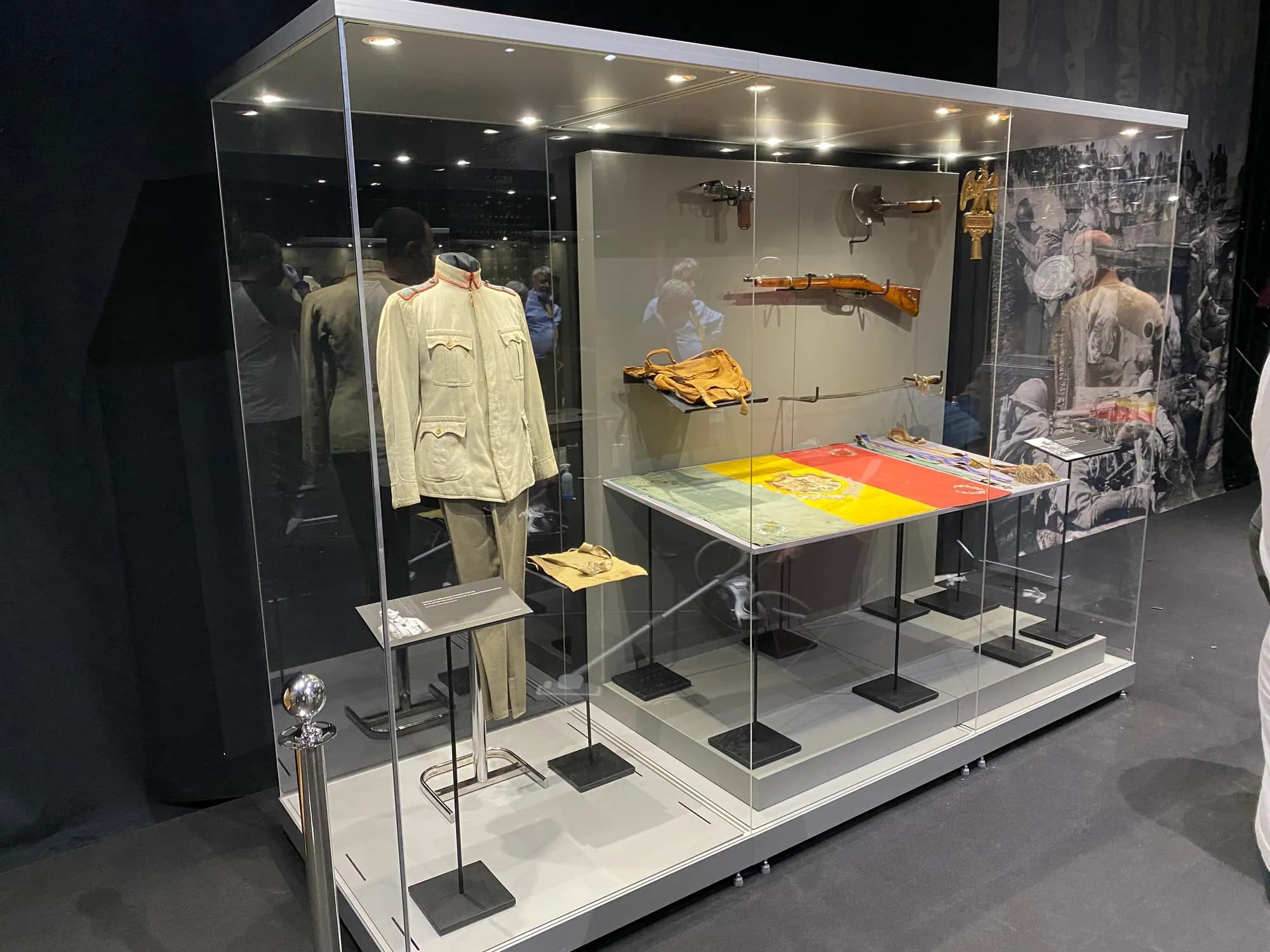
For the National Bank of Romania Museum we produced, delivered and installed, in 2021, the display cases for its temporary exhibitions. A temporary exhibition is put up and taken down, and the cases have to be reusable. So we designed them from the start as a demountable system: an aluminium profile structure, composite panels and glazing panels in scratch-resistant acrylic.
The lighting didn't come at the end, from above: it's an adjustable system with magnetic fixing, set to the objects of each exhibition. And because the cases leave and come back, we delivered the transport cases with them. That's the difference from a furniture shop: not an object that looks good once, but a system that stays right at every installation.
Frequently asked
- You can start, but the risk shows up in the details that don't appear on a sketch: tight tolerances, sealing for microclimate, lighting integration and coordinated on-site installation. A furniture shop delivers an object that looks good at the opening; the problems appear at 12 months, in sealing and stability. For valuable objects, technical fabrication isn't a luxury, it's insurance.
- We deliver shop drawings with measurements and joint details, a bill of materials (BOM) specifying each component — glass, metal, lighting, gaskets — and an installation protocol with the sequence of operations and on-site checks. The documentation lets installation, including at night, be coordinated and repeatable.
- Full atelier assembly adds time before delivery — the object is raised in full, checked and calibrated — but it shortens and secures on-site installation. On balance, the time saved by avoiding on-site improvisation and post-installation fixes outweighs the atelier overhead, especially with fixed installation windows.
Related capabilities
Related projects
Have a project in mind?
We reply within 1–2 working days with the first steps; the full quote comes after a site visit or drawings.
Send a brief